Bed bugs (Cimex lectularius) burrow deep within mattress seams, baseboards, and subflooring, often causing acute distress and sleepless nights. In Minneapolis, multi-family brownstones in Whittier, pre-war duplexes in…
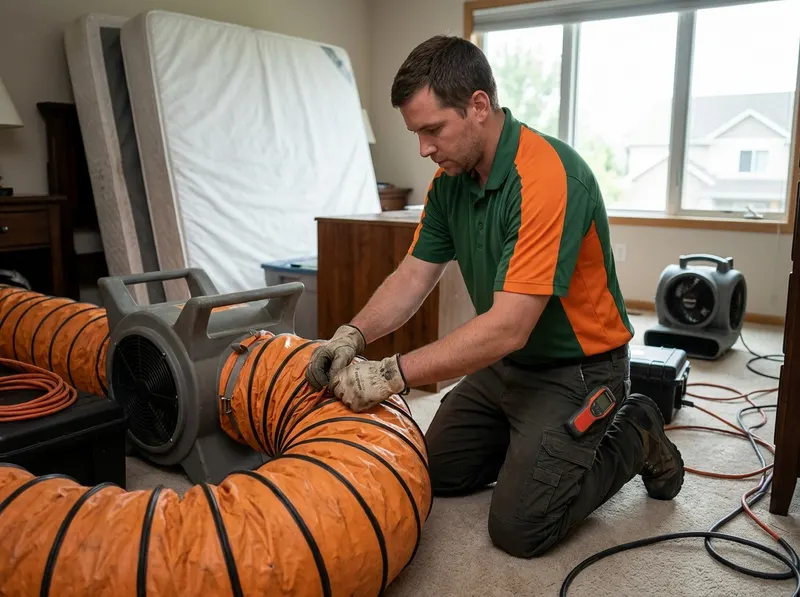
Bed bugs (Cimex lectularius) burrow deep within mattress seams, baseboards, and subflooring, often causing acute distress and sleepless nights. In Minneapolis, multi-family brownstones in Whittier, pre-war duplexes in Northeast Minneapolis, and dense brick-and-timber lofts in the North Loop frequently experience migration through shared plumbing chases and common wall voids. Traditional synthetic pyrethroid applications frequently fail due to documented insect resistance and can cause scattered harborages, driving pests deeper into wall cavities. Thermal remediation physically denatures essential insect proteins across all biological developmental stages, including desiccating eggs that chemical sprays cannot penetrate.
Thermal remediation requires specialized preparation to protect heat-sensitive items. Homeowners in neighborhoods like Linden Hills and Bryn Mawr temporarily remove wax candles, aerosol cans, medications, vinyl records, and fine oil paintings before industrial air movers circulate convective heat throughout the living space. Electric or specialized hydronic heaters bring structural core temperatures up to 122°F, maintaining that level for at least 60 minutes inside wall cavities, hardwood floorboards, and upholstery. This method avoids airborne chemical residues, ensuring nursery rooms and pet areas remain safe immediately following the post-treatment cool-down.
Selecting whole-room heat remediation over localized chemical spot treatments is practical when immediate eradication is necessary without multiple weeks of re-inspections. While single-room chemical regimens carry lower initial equipment costs, they often require two to four separate visits and complete bagging of soft goods. Thermal treatments resolve the entire footprint in one continuous intervention. For properties near the Chain of Lakes or Powderhorn Park, field technicians position wireless thermocouple sensors inside dense furniture and exterior wall intersections to confirm lethal heat penetration before equipment removal, preventing cold spots where insects might survive.
Every job gets a firm, written price after a free on-site visit.
Tell us about your thermal bed bug remediation job in Minneapolis and we'll send a clear, written quote, usually the same day.
 Crovella Bug Services